2026 Top Aircraft Fuel Injection System Types for Buyers
Choosing an aircraft fuel system in 2026 is not simply a question of price, horsepower, or brand reputation. Buyers must match the fuel injection system aircraft to the engine model, operating altitude, mission profile, and maintenance environment. A trainer used near sea level has different priorities from a turbine-powered aircraft crossing high mountain routes. Small details matter, including injector access, fuel-pump redundancy, vapor-lock resistance, cold-start behavior, and support for approved replacement parts.
Dr. John B. Heywood, a leading internal-combustion-engine researcher, offers a useful principle: “Fuel injection must deliver the right quantity of fuel at the right time.” That sentence remains relevant when comparing continuous-flow, mechanical, electronic, and direct-injection designs. Each type has strengths. Mechanical systems may offer proven field experience, while electronic systems can improve metering and altitude compensation. However, sensors, wiring, software, and electrical backup requirements can add new failure points. Simpler is not always safer.
This guide examines the 2026 aircraft fuel injection system market from a buyer’s perspective. It considers performance, certification evidence, installation complexity, lifecycle cost, and technician familiarity. It also separates practical advantages from attractive marketing claims. No ranking fits every aircraft. That is worth admitting. A system that performs well in a laboratory may create delays in a remote maintenance base. Buyers should review service records, manufacturer instructions, and qualified mechanic feedback before deciding. The best choice is usually the one that delivers predictable fuel control, clear maintenance procedures, and dependable support throughout the aircraft’s working life.
Aircraft Fuel Injection Systems: Purpose and Core Operating Principles
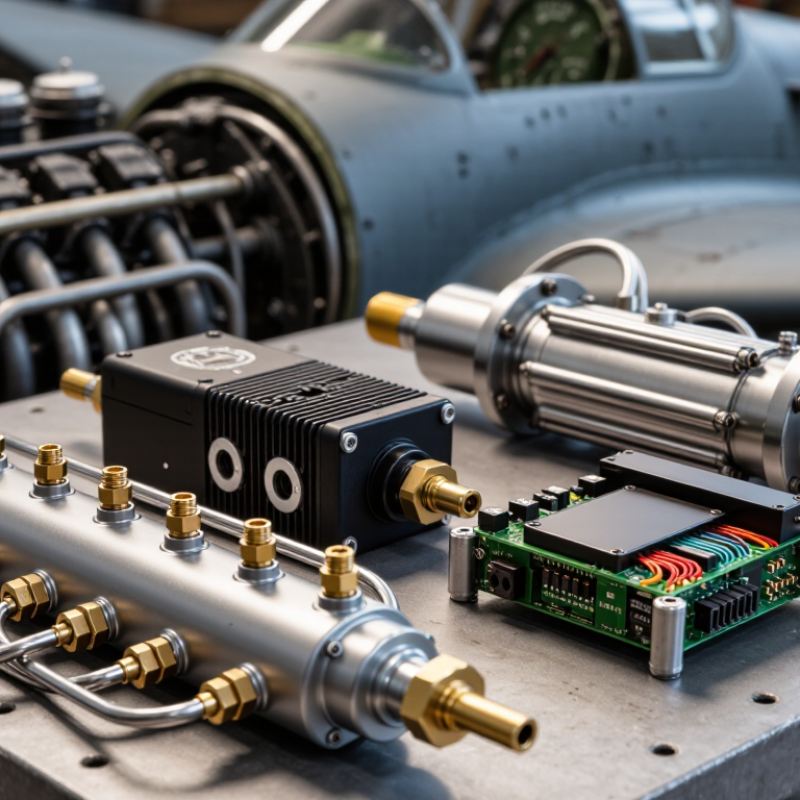
Aircraft fuel injection systems deliver a measured fuel supply to the engine, replacing the less precise action of a carburetor. Their purpose is clear: support reliable combustion, smooth power, and efficient fuel use across changing altitude and temperature. The system must atomize fuel into fine droplets and mix it evenly with incoming air. Poor distribution can create rough running, hot cylinders, or difficult starts.
Core operation begins with a fuel pump that creates pressure.
A metering unit then adjusts fuel flow according to throttle demand and engine conditions. Mechanical systems use pressure differences, diaphragms, and calibrated passages. Electronic systems use sensors to monitor airflow, temperature, pressure, and engine speed. An electronic control unit then changes injector timing or pulse duration. Continuous-flow injection supplies fuel steadily, while timed injection delivers fuel at specific engine-cycle points. Each design has trade-offs. Simpler systems may be easier to inspect, but they can respond less precisely.
Tips:
Check the system’s operating range, injector accessibility, filtration, and approved maintenance data. Ask how it performs during cold starts and rapid altitude changes. Look for stable pressure readings and clean spray patterns during inspection. Do not judge quality by efficiency claims alone. Real-world installation details matter. A small routing error can cause heat exposure or uneven fuel delivery. That detail is easy to miss. Test records should match the actual configuration, because assumptions can hide problems.
Key Types of Aircraft Fuel Injection Systems in 2026
Aircraft fuel injection systems in 2026 generally fall into three key types: continuous-flow mechanical, timed port injection, and electronic fuel injection. Each type meters fuel differently and suits different aircraft designs. Continuous-flow systems deliver fuel through nozzles near the intake ports. They are mechanically simple, familiar to maintenance teams, and often predictable during routine inspections.
Timed port injection controls fuel delivery according to crankshaft position and engine demand. This approach can improve cylinder balance and reduce fuel waste.
Electronic systems use sensors, control units, and electric injectors to adjust mixture settings in real time. They may support easier starting, smoother altitude changes, and better engine monitoring. However, buyers should examine electrical redundancy and backup operation carefully. More electronics do not automatically mean better reliability.
In practical inspections, technicians often check fuel pressure, injector cleanliness, wiring condition, and hot-start behavior. A clear maintenance history matters as much as the system type. Continuous-flow units can be easier to troubleshoot with pressure gauges and service data. Electronic systems may require diagnostic equipment and software access. That can affect operating costs in remote locations. No system is perfect. Installation quality still matters. Buyers should compare certification status, approved service procedures, replacement intervals, and support from qualified repair facilities. A system that performs well in a test environment may behave differently during cold starts, rapid climbs, or long storage periods. This is where careful records and experienced evaluation become valuable.
Aircraft Fuel Injection System Selection Criteria for Buyers
Selecting an aircraft fuel injection system starts with the engine, not the catalog. Buyers should verify engine displacement, cylinder count, fuel pressure, and expected flow range. A system sized for cruise may struggle during hot starts or rapid throttle changes. Ask for tested data at sea-level and high-altitude conditions. Real flight conditions matter.
Fuel metering accuracy deserves close attention. Look for stable delivery during idle, climb, and maximum continuous power. Injector spray quality affects combustion, cylinder temperature, fuel economy, and starting behavior. Request test reports showing pressure tolerance, response time, and resistance to vapor formation. Material selection also matters around fuel lines, seals, and electrical connectors. Heat, vibration, and moisture expose weak components quickly. This sounds obvious, yet buyers miss it.
Maintenance access can determine ownership cost. A technician should reach filters, injectors, sensors, and adjustment points without removing major assemblies. Check inspection intervals, service records, calibration procedures, and fault-diagnosis tools. Weight and installation space should be measured on the actual airframe. A lighter unit is not automatically better if wiring or cooling becomes complicated. Confirm compliance documentation from recognized aviation authorities and traceable production records. No checklist is perfect. In practice, a low purchase price can mislead when maintenance support, replacement parts, or technical training are limited.
2026 Top Aircraft Fuel Injection System Types for Buyers
This engineering-focused screening chart compares three established aircraft fuel-metering architectures:
continuous-flow mechanical injection, hydromechanical fuel-injection units, and electronically controlled fuel metering integrated with FADEC. Scores range from 1 to 5, where 5 indicates a stronger fit for the stated buyer criterion.
Buyers should prioritize certified engine compatibility, fuel-metering accuracy, altitude compensation, maintenance diagnostics, installation requirements, and continued airworthiness support. Actual suitability depends on the aircraft, engine model, certification basis, fuel type, and operating profile.
Installation, Maintenance, and Future Technology Trends
For buyers comparing aircraft fuel injection systems in 2026, installation quality matters as much as system type. Continuous-flow systems remain practical for many piston aircraft, while electronic injection offers finer metering and easier data capture. Direct injection can improve combustion control, but it demands stricter calibration and cleaner installation practices. Technicians should inspect fuel lines for chafing, verify injector flow, and record torque values. A small routing error can create heat damage near the exhaust.
Maintenance planning should follow approved manuals, service bulletins, and aircraft-specific inspection intervals. Oliver Wyman’s 2024 Global Fleet and MRO Market Forecast estimates commercial aviation maintenance spending will rise from 136 billion dollars in 2024 to 156 billion dollars by 2029. That growth increases pressure to reduce unscheduled removals. Trend monitoring helps. Fuel pressure, injector balance, exhaust temperature, and filter condition can reveal faults before rough running becomes severe. Still, sensors are not infallible. A misleading reading can delay a useful hands-on inspection.
Future systems will combine electronic control, digital engine records, and predictive maintenance. The International Air Transport Association reported that jet fuel represented about 31 percent of airline operating costs in 2024. Better metering may support efficiency, but savings depend on calibration, operating conditions, and pilot technique. Certification remains a major barrier for new fuel technologies. Installation teams will need stronger software awareness, cybersecurity discipline, and traceable maintenance records. My practical concern is simple: buyers may overvalue automation and undervalue access for inspection. That mistake is expensive.