China Top Aircraft Fuel Types and Their Impact on Aviation Industry?
The aviation industry plays a critical role in global connectivity. One key factor influencing this sector is aircraft fuel. Various types of aircraft fuel impact performance, efficiency, and environmental sustainability. Understanding these fuels is essential for industry stakeholders.
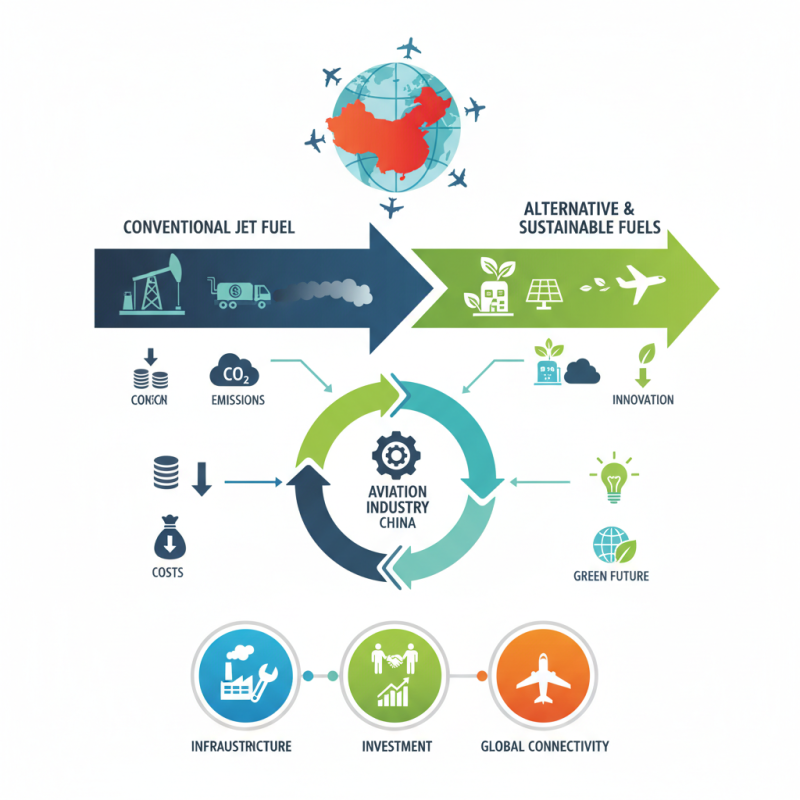
China has emerged as a major player in the aviation market. Its choice of aircraft fuel types significantly affects operational costs and emissions. For instance, conventional jet fuel is prevalent but poses environmental challenges. On the other hand, alternative fuels, though less common, show promise for reducing carbon footprints.
Analyzing aircraft fuel options is not straightforward. Each type has distinct advantages and drawbacks. The transition to sustainable fuels presents opportunities for innovation yet requires substantial investment and infrastructure changes. Industry leaders must navigate these complexities to ensure a greener future for aviation.
Overview of Aircraft Fuel Types Used in China
In China, the aviation industry heavily relies on specific types of aircraft fuel. The primary fuel used is Jet A, a kerosene-based product favored for its efficiency and performance in commercial aviation. According to the Civil Aviation Administration of China, Jet A accounts for more than 90% of the aviation fuel consumption in the country. This dominance reflects a global trend, where Jet A is recognized for its low freezing point and high calorific value.
However, environmental concerns are prompting a shift toward sustainable aviation fuels (SAFs). These alternative fuels can significantly reduce greenhouse gas emissions. Reports estimate that SAFs could cut CO2 emissions by up to 80% across their lifecycle. Despite this potential, the current uptake in China remains limited. As of 2023, less than 1% of total aviation fuel used was from sustainable sources. This gap signals a challenge for the industry, as the infrastructure for SAF production and distribution is still developing.
China's focus on reducing carbon emissions extends to the aviation sector. The government's policies advocate for cleaner fuels, though there are hurdles. Technical limitations and higher costs are major barriers. Investing in research and development is essential. Examining the transition to SAFs reveals both a pathway and a challenge for the aviation industry moving forward.
Key Characteristics and Composition of Avgas and Jet Fuel
Aircraft fuels play a crucial role in aviation. Understanding the composition of avgas and jet fuel is essential for the industry. Avgas, or aviation gasoline, is primarily used in piston-engine aircraft. Its typical components are hydrocarbons, including octane and isomerized alkanes. This fuel provides high-performance combustion, necessary for smaller aircraft.
Jet fuel, on the other hand, is a kerosene-type fuel. It is designed for turbojet and turbofan engines. Jet A and Jet A-1 are the most commonly used types. These fuels have higher energy density than avgas. Their composition includes a mix of hydrocarbons and additives for better performance. The precise formulation can affect fuel efficiency and emissions.
Tips for choosing aircraft fuel: Consider the climate and altitude of your operation zone. Colder temperatures may require specific additives. Regularly consult fuel quality reports to ensure reliability. It’s vital to balance cost with performance needs. Always stay informed about changing regulations in aviation fuel standards.
Impact of Aircraft Fuel Types on Aviation Efficiency and Emissions
The aviation industry relies heavily on various aircraft fuel types. Jet fuel, primarily Jet A and Jet A-1, is the most common. Its properties influence efficiency and emissions significantly. Combustion of jet fuel produces greenhouse gases and particulate matter. This poses a challenge for sustainable growth in aviation.
Alternative fuels are gaining attention. Sustainable aviation fuel (SAF) offers a promising solution. SAF can reduce carbon emissions significantly. However, its production remains limited and costly. Scaling up SAF adoption is essential for the industry. Real-world trials show a need for infrastructure improvements and policy support.
Understanding fuel types impacts not only flight operations but also climate change. While traditional fuels are reliable, they contribute to global warming. There is a lack of widespread adoption of cleaner options. A detailed examination of aviation’s fuel choices reveals an urgent need for innovation. A system-wide approach can transform the industry's footprint.
Regulatory Standards and Safety Concerns in China's Aviation Fuel Supply
China's aviation fuel supply system operates under strict regulatory standards aimed at ensuring safety and efficiency. These standards encompass a variety of aspects, from refining processes to distribution protocols. The complexity of these regulations can pose challenges, particularly for smaller suppliers who struggle to meet the requirements. This can lead to discrepancies in the quality of fuel available in the market, raising legitimate safety concerns.
Quality control is essential. Proper testing protocols are necessary to ensure fuel will perform optimally under various conditions. Poor-quality fuel can impact engine performance and increase maintenance costs. Recent incidents have highlighted the need for stringent monitoring of suppliers. Regular audits should be advocated to enhance compliance with safety standards.
**Tip:** When selecting fuel, ensure it meets national quality benchmarks. Building relationships with reputable suppliers can also enhance safety.
The regulatory landscape in China is constantly evolving. Suppliers need to stay informed about updates in aviation fuel standards. This is crucial to mitigate risks associated with fuel contamination or non-compliance. A collaborative approach within the industry can foster an environment of improvement and safety.
**Tip:** Stay updated through industry publications and forums. Engaging with experts can provide insights into best practices.
China's Top Aircraft Fuel Types and Their Impact on the Aviation Industry
This chart illustrates the distribution of different aircraft fuel types used in China and their corresponding impact on the aviation industry concerning regulatory standards and safety concerns.
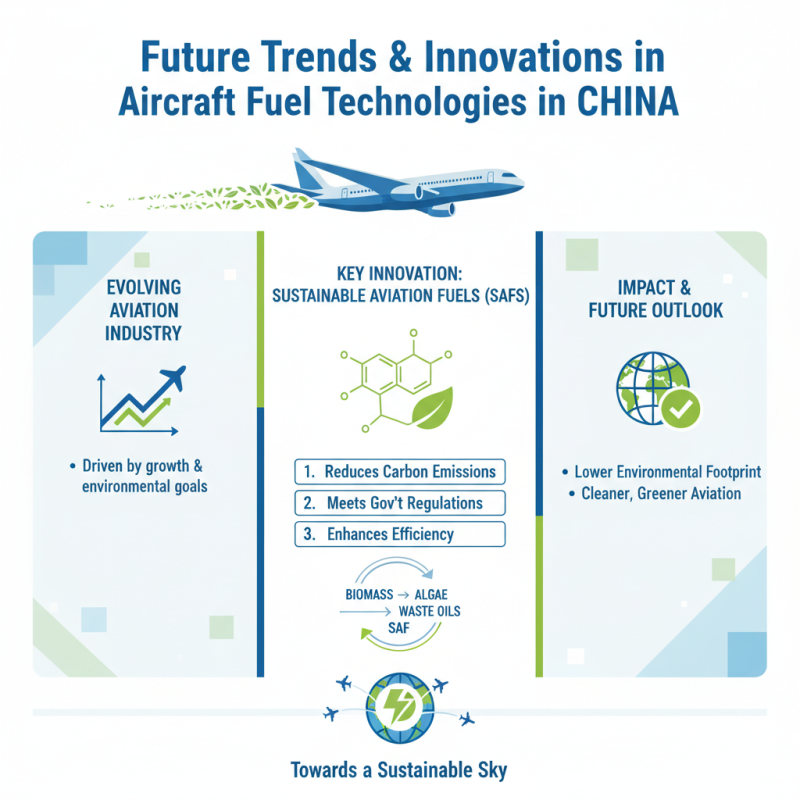
Future Trends and Innovations in Aircraft Fuel Technologies in China
As the aviation industry in China evolves, new fuel technologies are emerging. These innovations aim to reduce environmental impact while enhancing efficiency. Sustainable aviation fuels (SAFs) have gained traction. They can lower carbon emissions, which is crucial for meeting government regulations.
Research institutions and universities are pushing boundaries. They are exploring alternative fuels, like synthetic fuels and biofuels. These options promise to reduce dependence on traditional jet fuels. However, challenges remain. Infrastructure for SAF production is still developing. Investment in technology and facilities is necessary to support this transition.
Innovations in fuel efficiency are vital. Airlines are interested in reducing operating costs. Innovations like hybrid-electric propulsion systems are being tested. These systems can potentially decrease fuel consumption significantly. Yet, the path forward is not without obstacles. Safety, performance, and scalability must be addressed before widespread adoption can occur.