
Why Choose a Stable Balance Bike for Kids?

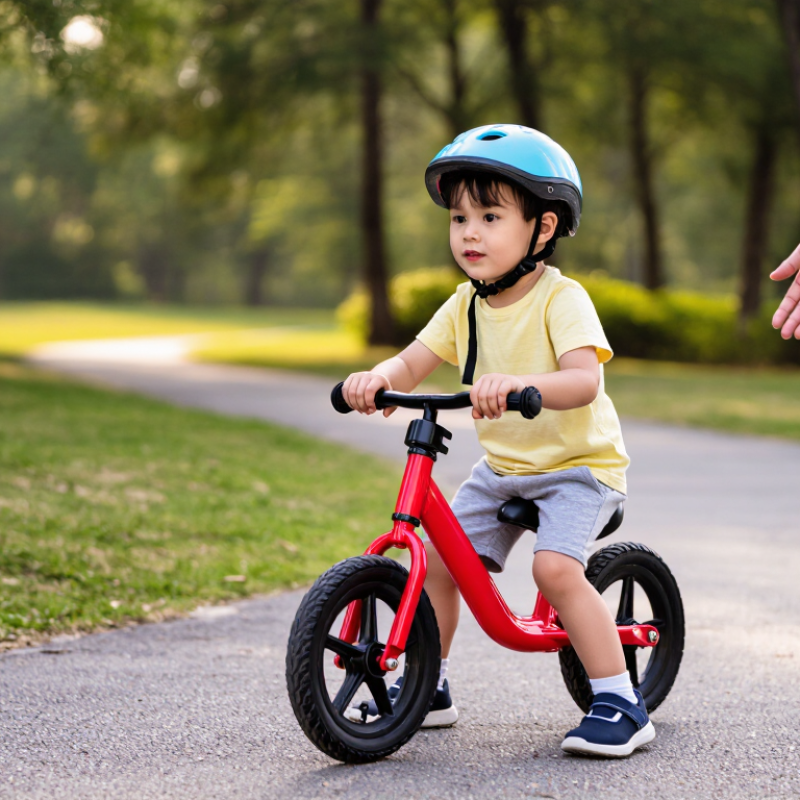
A Stable Balance Bike can turn a wobbly first ride into a more manageable way for children to practise steering, balance, and stopping. Its low frame lets a child place both feet on the ground, while a well-fitted seat helps them push along without stretching. On a quiet path, you might see small steps become longer glides. The change can feel exciting. It is not instant for every child.

Ryan McFarland, founder of Strider Sports, is associated with the balance-bike approach. A practical paraphrase of the principle behind it—not a verbatim quotation—is: “Let children build confidence at their own pace, with their feet close to the ground.” That distinction matters. Product claims and expert advice should not be confused with evidence about one child’s progress. A stable bike may support practice, but it cannot guarantee a quick transition to pedals.

Parents can look for a steady frame, child-appropriate weight, grippy tires, and a seat height that allows flat-footed contact. Check the fit again as the child grows. Stay nearby, choose a clear riding area, and use suitable protective gear. Small details matter: a loose shoe, uneven paving, or a seat set too high can make practice harder. And some children simply need more time. That is worth remembering when choosing a bike, not treating confidence as a race.
Why Choose a Stable Balance Bike for Kids?

What Makes a Balance Bike Stable?

A stable balance bike begins with a low, well-centered frame. When a child sits down, both feet should rest flat on the ground, with knees slightly bent. This lets the rider push off and catch a wobble without stretching. A longer wheelbase can make steering feel less twitchy, while a wide handlebar offers better leverage. But oversized frames can make control harder, not easier. Fit matters.

The U.S. Consumer Product Safety Commission’s 2022 NEISS data estimated about 417,485 bicycle-related injuries treated in emergency departments nationwide. This figure covers all ages and bicycle types; it does not isolate balance bikes or show that instability caused injuries. Still, it highlights why predictable handling deserves attention. Tires also matter: adequate width and grip help on smooth paths, though soft ground can still shift under a small wheel. No design removes every wobble. Some are part of learning.

Tips: Check that the child can plant both feet while seated. On a level surface, gently lean the bike side to side and notice whether the tires stay planted. A quick test is useful, but not a substitute for close supervision.

Key Design Features That Support Balance

A stable balance bike starts with fit, not flashy parts. The child should sit low enough to place both feet flat on the ground, with knees slightly bent. That lets them stop without tipping or reaching for help. A low frame also makes getting on and off less awkward. Small details matter. A textured saddle and child-sized grips help little hands stay settled, while a handlebar that turns smoothly avoids sudden, jerky corrections. A very wide tire is not automatically safer; pressure and tread should suit the riding surface.

The World Health Organization’s 2019 guidelines recommend at least 180 minutes of daily activity for children aged three to four, including 60 minutes of moderate-to-vigorous activity. This is a movement target, not a promise that any bike will build balance. The U.S. Department of Health and Human Services’ 2018 guidelines also advise preschoolers to be active throughout the day. A light bike with predictable steering can make short practice rides easier to repeat. On a flat path, watch whether the child can push off, glide briefly, then plant both feet. That small test can reveal more than a feature list. No design removes every wobble. I’d still recheck seat height as the child grows.

Why Choose a Stable Balance Bike for Kids? - Key Design Features That Support Balance
Design Feature Typical Design or Specification How It Supports Balance What to Check
Low, adjustable saddle The saddle should adjust to the child’s inseam. Many balance-bike guides suggest setting it so the child can sit with both feet flat on the ground and knees slightly bent. Ground contact lets a learner push off, slow down, and steady the bike with their feet. Check the manufacturer’s saddle-height range and make sure the child can reach the ground comfortably while seated.
Child-appropriate frame size Frame fit varies by model. Common balance-bike wheel sizes include 10, 12, and 14 inches; wheel size alone does not determine fit. A manageable frame helps the child steer and place both feet down without stretching. Use the maker’s height or inseam guidance, and assess the actual saddle-height range rather than choosing by age alone.
Lightweight construction Bike weight differs by frame material, wheel type, and components. There is no single weight that suits every child. A bike the child can control and lift more easily may be less tiring to start, stop, and maneuver. Compare the bike’s listed weight with the child’s ability to handle it safely; consider the complete bike, not frame material alone.
Stable wheelbase and geometry Frame geometry and wheelbase differ among models. A well-fitted bike should allow a comfortable upright or slightly forward riding position. Predictable handling helps children practice steering while gradually lifting their feet to glide. Look for a bike that tracks steadily at walking speed and does not feel awkwardly long or cramped for the rider.
Appropriate tire type Balance bikes may use pneumatic (air-filled), foam, or solid tires, depending on the model. Tires suited to the riding surface can provide more predictable rolling and handling; air-filled tires also absorb some surface vibration. Match the tire to typical surfaces and check whether air-filled tires need regular pressure checks.
Easy-to-reach handlebars Handlebar height and reach should suit the child’s seated position; some models offer height adjustment. A relaxed reach makes it easier to steer smoothly without overextending or leaning excessively. Check that the child can hold the grips comfortably, turn the bars freely, and maintain a controlled posture.
Steering limiter and grip ends Some bikes include a steering limiter; handlebar grips may have enlarged ends. These features are not universal. A limiter can restrict abrupt handlebar rotation, while covered grip ends help protect hands during ordinary use. If present, check that the limiter still allows useful steering and that grips are secure and undamaged.
Optional hand brake Some balance bikes have a hand brake; others rely on the rider’s feet for stopping. Brake equipment varies by model. A correctly adjusted brake can help a child practice hand braking as speed and confidence increase. Choose a lever the child can reach and squeeze, and teach braking in a safe, open area. A brake does not replace supervision.
Fit and specifications vary by model. Always follow the manufacturer’s instructions, supervise riding, and use a properly fitted helmet.

How Stability Helps Children Learn to Ride

A stable balance bike gives a child a calmer place to practise the hardest early skill: balancing while moving. With feet near the ground, children can push, coast, and put a foot down when they feel unsure. That quick recovery can make practice feel manageable rather than frightening. Small wins matter.

After a few short glides, a child may begin lifting both feet for a second or two. On a level, open path, that tiny moment helps build balance and steering together. A bike that fits well also helps: the child should be able to sit comfortably and place both feet flat on the ground. If the bike feels awkward or difficult to control, confidence can fade quickly.

Stability is not a shortcut, though. Children learn at different speeds, and a steady bike cannot replace patient practice or close adult supervision. An adult can walk nearby, choose a smooth area, and let the child decide when to glide. It is tempting to offer constant instructions, but too much help can interrupt a child’s own adjustments. I have to remind myself that wobbly attempts are part of learning, not proof that a child is doing it wrong.

Choosing a Stable Balance Bike for Your Child

A stable balance bike should feel manageable, not bulky. When choosing one for your child, check that they can sit on the saddle with both feet flat on the floor and knees slightly bent. This lets them push off and stop without stretching. Look for a frame they can steer easily, plus a handlebar that does not feel too wide for their shoulders. On a smooth path, watch how the bike responds to small turns. A child who can correct a gentle wobble is learning to balance; the bike does not need to stay perfectly upright on its own.

Tips: Ask your child to sit on the bike before you buy it, if possible. Check that the saddle adjusts as they grow. Choose tires suited to where they will ride, such as pavement or packed paths. A helmet should fit snugly and stay level. Small details matter.

It is tempting to choose the widest tires, but they are not automatically the best fit. Too much weight can make a bike harder for a young rider to lift or turn. Also consider the brake: a hand brake is useful only if your child can reach and squeeze it comfortably. Try a short ride on a flat, open area, and stay close while they get used to steering and stopping. Some wobble is normal. Watch for repeated difficulty reaching the ground or controlling the handlebars; the size or setup may need another look.

Using a Balance Bike Safely on Different Surfaces

Why Choose a Stable Balance Bike for Kids?
Using a Balance Bike Safely on Different Surfaces

A stable balance bike gives a child a predictable platform while they learn to steer and push off. Surface choice matters, too. On dry, smooth pavement, start in a clear, level area and let your child walk the bike before gliding. Check that both feet rest flat on the ground, adjusting the seat if needed. Start slowly.

Tips: Use a properly fitted helmet and closed-toe shoes, and stay close. Check the route for gravel, cracks, puddles, and traffic. Try firm, even grass only when your child is ready; thick or bumpy grass can catch a small wheel.

Loose gravel, sand, mud, and wet ground can reduce grip and make steering unpredictable. Avoid them during early practice. If a rough patch is unavoidable, walk the bike across it rather than asking a new rider to glide. Before trying grass, look for holes and hidden sticks. I’d still reassess each route; yesterday’s dry path may be slick after rain. A rushed ride is not worth it.

Why Choose a Stable Balance Bike for Kids?

A stable bike can help children practice steering and balance. Choose a clear, level route and adjust supervision to the surface.

How to read this chart: Practical guidance ratings from 1 (more challenging) to 5 (easier), not results from a comparative test. Surface conditions vary; avoid wet, loose, or uneven areas, and keep the bike at a controlled speed.