How to Choose the Best Aircraft Fuel for Your Needs?
Choosing the right aircraft fuel is crucial for optimal aircraft performance. With various options available, it can be overwhelming. Understanding your specific needs is essential in making an informed choice.
Aircraft fuel types vary widely in composition and cost. Jet A, Avgas, and military fuels each have unique properties. Each type impacts efficiency and maintenance differently. Poor fuel selection could lead to engine issues or higher operational costs. Take time to evaluate the pros and cons.
When selecting aircraft fuel, consider factors like availability, engine compatibility, and regulatory requirements. Even experienced pilots sometimes overlook these details. A small mistake in fuel choice can lead to significant consequences. Prioritize knowledge and research before making a decision. This is not just about performance; it’s about safety and reliability.
Understanding Different Types of Aircraft Fuel: A Comprehensive Overview
Understanding different types of aircraft fuel is essential for pilots and operators. Aviation fuels come in various forms, including Avgas and Jet fuel, each designed for specific aircraft types. Avgas, commonly used in piston-engine aircraft, is a high-octane fuel. Its formulation provides better performance at high altitudes and in high-stress conditions.
Jet fuel, on the other hand, is typically used in turbine engines. Jet A and Jet A-1 fuels are kerosene-based and are the most common types. They are designed to work effectively at low temperatures and deliver consistent performance. Choosing the right fuel depends on aircraft specifications, operational environment, and economic factors.
Moreover, considerations about fuel quality and reliability are important. Contaminated fuel can cause serious engine problems. Regular testing and maintenance are essential to ensure fuel integrity. Operators must remain vigilant and knowledgeable about the fuel they use. The fuel decision should also consider environmental impact and sustainability in aviation. These choices shape the future of aviation energy.
How to Choose the Best Aircraft Fuel for Your Needs? - Understanding Different Types of Aircraft Fuel: A Comprehensive Overview
| Fuel Type |
Description |
Typical Uses |
Advantages |
Disadvantages |
| Avgas 100LL |
Low-lead aviation gasoline |
Piston engine aircraft |
Good performance, widely available |
Lead deposits in engine, environmental concerns |
| Jet A |
Kerosene-type fuel for turbine engines |
Commercial airliners, cargo planes |
High energy content, efficient combustion |
Requires specialized storage and handling |
| Jet A-1 |
Similar to Jet A with a lower freezing point |
International flights, colder climates |
Better cold weather performance |
Higher cost in some regions |
| Biofuels |
Renewable fuels derived from biological materials |
Compatible with some turbine engines |
Reduced carbon footprint |
Limited availability, may require engine modifications |
| MOGAS |
Automotive gasoline |
Some light aircraft |
Usually cheaper, widely available |
Not approved for all aircraft, can lead to engine issues |
Evaluating Your Aircraft's Specifications and Fuel Requirements
When selecting the best aircraft fuel, understanding your aircraft's specifications and fuel requirements is crucial. Each aircraft has specific operational needs based on its design and engine type. For example, general aviation aircraft typically use 100LL avgas, while many business jets require Jet A fuel. According to the Aircraft Owners and Pilots Association, fuel choice affects range, performance, and maintenance.
Evaluating fuel density, thermal stability, and freezing points is essential. These factors influence how your aircraft performs in various conditions. A report from the International Society for Air Safety Investigators indicates that improper fuel choice can lead to engine issues. Ensure your aircraft's fuel system is compatible with the chosen fuel. Regular maintenance of fuel lines and filters can help avoid blockages from impurities.
Considering your flying habits can help refine your fuel needs. If your operations involve long-haul flights, think about fuel efficiency and availability at your destinations. Analyze why fuel options vary in price and availability, as these factors can impact operational costs. Balancing performance with economy is key to operating efficiently.
Fuel Types for Different Aircraft Specifications
Comparing Cost-effectiveness of Various Aircraft Fuel Options
Choosing the right aircraft fuel can significantly impact operational costs. Different fuel types have their own price points and efficiency levels. Jet fuel often appears economically viable, but fluctuations in global oil prices can lead to sudden spikes. Biofuels offer a sustainable alternative, yet they can be more expensive to produce.
When evaluating options, consider your aircraft's needs and your budget. Fuel efficiency should be a priority, but other factors matter too. Availability and storage requirements can complicate a decision. Some fuel types may not be easy to source at certain airports, which can lead to increased downtime.
Aircraft maintenance and performance also factor into cost-effectiveness. Different fuels can produce varying emissions. Long-term effects on engine health should not be ignored. Frequent changes in fuel type might require modifications or adjustments, adding to overall expenses. Careful analysis can reveal hidden costs during operation.
Assessing Environmental Impact of Aircraft Fuels
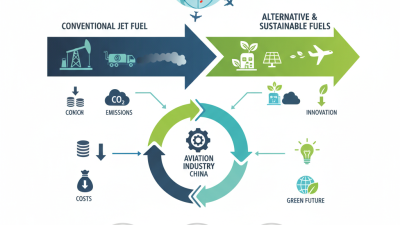
When choosing aircraft fuel, considering its environmental impact is crucial. Various fuels produce different emissions. Traditional jet fuels emit significant carbon dioxide. This raises global warming concerns. The aviation industry is under pressure to reduce its carbon footprint.
Alternative fuels, such as biofuels, are gaining attention. They can offer lower emissions compared to conventional fuels. However, they come with challenges. The production of biofuels may lead to land use changes. These changes can impact ecosystems. It’s essential to weigh the benefits against potential environmental harm.
Sustainability is a complex issue. Some fuels promote energy diversification. Others prioritize efficiency over ecological impact. Research continues to evolve, providing insights into the best options. Each fuel type presents its own set of advantages and disadvantages. Stakeholders must stay informed to make responsible choices. Balancing performance requirements with eco-friendliness is a dynamic challenge for the aviation sector.
Choosing the Right Fuel Supplier: Key Factors to Consider
Choosing the right fuel supplier is crucial for ensuring efficient aircraft operations. Look for suppliers with a solid reputation in the industry. A supplier’s experience can greatly affect your operations. They should have a track record of reliability and safety. Check customer reviews and testimonials to gain insights into their service quality.
Consider the supplier’s geographical reach. A local supplier may offer better logistics and quicker turnarounds. However, larger suppliers might provide a wider variety of fuel types and competitive pricing. Ensure they comply with all safety and regulatory standards. You must verify their certification and adherence to environmental regulations.
Pricing is essential but should not be the sole factor. Low prices may come with hidden costs or lower quality fuel. Investigate if the supplier employs best practices for fuel handling and distribution. Your choice of supplier can impact your operational efficiency, so weigh your options carefully. Don't hesitate to ask questions and request additional information to make an informed decision.