How to Choose the Right Aircraft Insurance?

Choosing the right aircraft insurance begins with understanding the aircraft, its operation, and the risks behind each flight. Many owners search for “aircraft ins” and compare premiums immediately. That approach can overlook critical policy details.

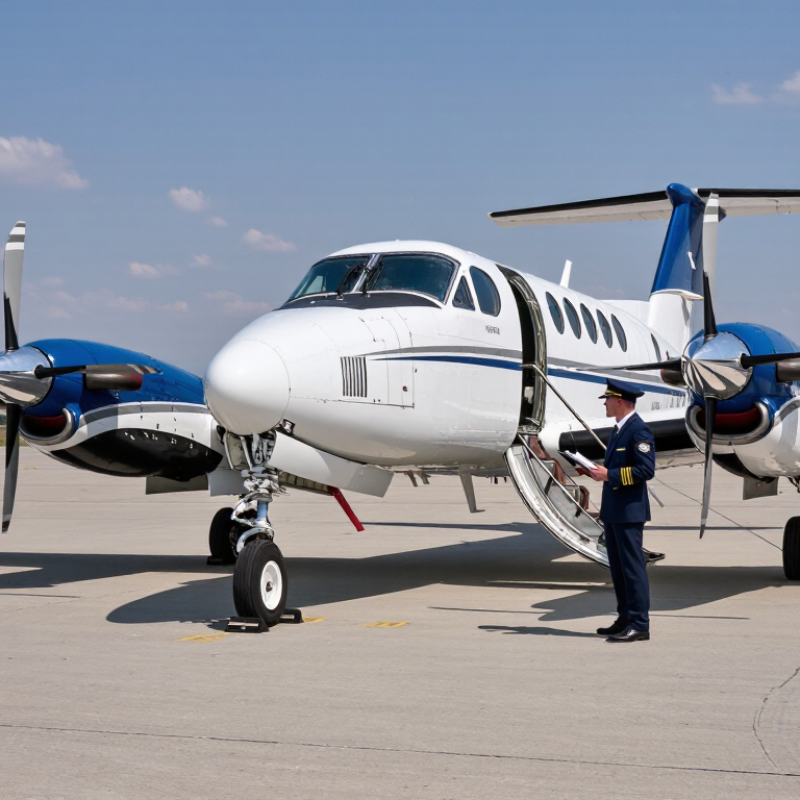
The International Air Transport Association’s 2024 Safety Report recorded 46 accidents across approximately 40.6 million flight sectors. The overall accident rate was 1.13 accidents per million sectors. These figures show that aviation remains highly regulated and generally safe. They also show why a rare event can create severe financial consequences. A damaged turboprop on a remote runway may require recovery, specialist repairs, and weeks of downtime.

Coverage is not uniform. An experienced aviation insurance broker should examine hull value, liability limits, pilot qualifications, approved uses, geographic territory, deductibles, and maintenance conditions. The Aircraft Bluebook and comparable market data can help support a realistic agreed value. However, market estimates are not substitutes for a professional aircraft inspection or documented purchase records.

The margin matters. A low premium may include narrower pilot warranties or weaker claims support. Conversely, the broadest policy may be unnecessary for a privately operated aircraft with limited annual hours. Allianz Commercial’s aviation risk publications also emphasize operational discipline, maintenance quality, and human factors as continuing risk considerations. Insurance cannot correct poor procedures.

No policy is perfect. Coverage wording can still be misunderstood, especially around loss of use, war exclusions, and non-approved operations. This guide explains how to compare protection carefully, verify insurer strength, and select coverage that fits the aircraft’s real mission rather than its advertised price.
How to Choose the Right Aircraft Insurance?

Understanding Aircraft Insurance Coverage Types

How to Choose the Right Aircraft Insurance?

Understanding Aircraft Insurance Coverage Types

Aircraft insurance is not one broad promise. It is a collection of protections designed for different risks. Liability coverage responds when your aircraft causes injury or property damage. It may also cover legal defense costs, subject to policy terms and limits.

Hull coverage protects the aircraft itself. A policy may cover accidental damage during flight, taxiing, parking, or storage. Check whether it uses agreed value or actual cash value. This difference can strongly affect a claim after serious damage. Deductibles matter too. A lower deductible usually means a higher premium.

Passenger liability may provide separate protection for people aboard the aircraft. Medical payments coverage can address eligible injuries without waiting for a final liability decision. Some owners also need non-owned aircraft coverage when renting or borrowing another aircraft. Read exclusions carefully, especially for pilot qualifications, maintenance duties, territory, and certain operations.

Small details can become expensive. A storm-damaged aircraft sitting on a wet ramp may involve several coverage questions. The policy wording controls the answer, not a casual conversation. No policy is perfect. I would rather identify a weak protection now than discover it after an incident. Ask an aviation insurance professional to compare limits, exclusions, valuation, and usage assumptions against your actual flying habits.

Assessing Your Aircraft and Operational Insurance Needs

Choosing aircraft insurance starts with understanding how the aircraft is actually used. A two-seat trainer faces different risks than a privately operated turboprop. Review the aircraft’s age, value, seating, engine type, and storage conditions. A hangared aircraft may need different protection from one parked outdoors near coastal weather.

Your operational profile matters just as much. Record annual flight hours, typical routes, runway surfaces, passenger numbers, and night operations. Insurers may also examine pilot certificates, recent training, flight experience, and maintenance records. Be precise about ownership and use. Occasional business travel is not the same as charter activity. Misstating usage can create serious coverage problems later.

Tips: Keep logbooks, inspection reports, and pilot records organized. Ask whether the policy covers hull damage, liability, passenger injury, medical costs, and temporary substitute aircraft. Check geographic limits before planning a distant trip. Clarify deductibles with real numbers, not vague estimates. A higher deductible may reduce premiums, but it can strain your budget after a hard landing.

I once underestimated the importance of runway conditions during an insurance review. The aircraft was well maintained, yet frequent short-field operations changed the risk picture. That detail should have been discussed earlier. Speak with a qualified aviation insurance professional who can compare your actual operations with policy wording. Read exclusions carefully. Small phrases about unauthorized pilots, storage, or maintenance can matter more than a low premium.

Comparing Insurers, Policies, Limits, and Exclusions

Choosing aircraft insurance requires more than comparing annual premiums. Compare the insurer’s aviation claims experience, financial strength, adjuster expertise, and response time after an incident.

IATA’s 2024 Safety Report recorded 40 accidents across 40.6 million flights, with an all-accident rate of 1.13 per million sectors. These figures describe commercial operations, not every private aircraft. Still, they show why risk assessment must remain evidence-based.

Review each policy beside your actual mission profile. A training aircraft may need different limits from a privately operated turbine aircraft. Check agreed value, passenger liability, ground risks, deductible, permitted pilots, and geographic territory.

Read exclusions carefully. They may address unapproved use, maintenance records, experimental modifications, or flight into restricted areas. A lower premium can hide a narrow pilot warranty. It can also leave a painful gap during recovery or storage.

Tips: Ask for three written quotations using identical limits. Request every endorsement in advance. Compare claims reporting procedures, not only price. Confirm whether approved repair facilities and ferry flights are covered.

Keep logbooks, inspections, and pilot currency records organized; underwriters may request them after a loss. IATA’s report also places 2024 fatality risk at roughly one in 13.7 million flights, but individual exposure can be far higher with frequent training, night operations, or unfamiliar airfields.

I once underestimated the value of a clear exclusion schedule. That was a preventable mistake. Insurance comparisons are imperfect. Your operating habits matter more than a polished brochure.

Evaluating Premiums, Deductibles, and Policy Conditions

How to Choose the Right Aircraft Insurance?

Evaluating Premiums, Deductibles, and Policy Conditions

A low premium can look attractive on paper, but it may hide a narrow protection scope. Compare quotations using the same aircraft value, pilot experience, and annual flight hours. Otherwise, the cheapest option is not truly comparable. Ask how the insurer calculates the aircraft’s value after partial damage. Agreed value and actual cash value can produce very different claim payments.

Deductibles deserve practical attention. A $5,000 deductible may reduce the annual premium, but it can strain your budget after a hangar incident. Consider separate deductibles for damage on the ground, in flight, and during taxiing. Some policies apply a percentage deductible, which becomes expensive as the aircraft value rises. Request sample claim calculations. Numbers clarify more than reassuring language.

Policy conditions often determine whether coverage works when needed. Check approved pilot requirements, training obligations, maintenance records, storage arrangements, and permitted flight areas. Report major changes, such as a new pilot or altered aircraft use, before flying. A missed condition may create uncertainty during a claim. Policy wording can be difficult, even for experienced owners. Ask a licensed aviation insurance professional to explain exclusions in plain English. Keep written answers with your policy documents. Rechecking the details annually is sensible, though many owners neglect it. That is an easy mistake.

Selecting and Reviewing the Right Aircraft Insurance Policy

Choosing aircraft insurance requires more than comparing annual premiums. Start with the aircraft’s real use, not its advertised purpose. A privately flown aircraft may need different protection from one used for training, rental, or frequent travel. Record the aircraft value, seating, engine hours, storage location, and typical routes.

Review liability limits with a licensed aviation insurance professional. Ask how passenger liability, property damage, and ground operations are handled. Check whether the policy covers every regular pilot. Pilot age, certificates, total hours, and aircraft-specific experience may affect eligibility. Small details matter. A missing endorsement can create an expensive gap.

Examine hull coverage carefully. Confirm whether the policy uses agreed value or market value after a total loss. Read the deductible for ground damage and in-flight damage separately. Study exclusions for corrosion, mechanical failure, negligence, and unapproved use. I once focused too heavily on the premium and overlooked a geographic restriction. That mistake changed how I review policies.

Keep logbooks, maintenance records, and pilot documents organized. Insurers may request them during underwriting or a claim. Review the policy after major changes, such as new equipment, ownership, storage, or pilot qualifications. Ask practical questions about reporting deadlines and repair authority. The policy language can feel clear until a stressful incident exposes an unclear clause. A yearly review is useful, but an aircraft change deserves immediate attention.

How to Choose the Right Aircraft Insurance? - Selecting and Reviewing the Right Aircraft Insurance Policy

Policy Area What It Covers Typical Limits or Terms Key Selection Considerations Common Exclusions or Conditions Review Trigger
Liability Coverage Third-party bodily injury, property damage, and legal defense arising from aircraft operations. Common limits range from approximately $1 million to $5 million, subject to passenger sublimits in some policies. Match the limit to passenger capacity, aircraft value, operating area, business exposure, and personal assets. Intentional acts, unapproved operations, contractual liability not covered by the policy, and excluded pilots may not be covered. Review after changes in aircraft use, passenger profile, business activity, or personal net worth.
Hull Coverage Physical loss or damage to the insured aircraft, including covered accidents and certain ground risks. Usually written on an agreed-value basis; the insured value should reflect the aircraft’s realistic market value. Confirm whether the amount covers replacement cost, avionics, installed equipment, and recent upgrades. Wear and tear, corrosion, mechanical breakdown without resulting damage, and improper maintenance are commonly restricted. Review annually and whenever avionics, interiors, engines, or other major equipment are upgraded.
Deductible The amount paid by the insured before the policy responds to a covered physical-damage claim. Often a fixed dollar amount or approximately 1%–10% of the insured hull value, depending on the aircraft and risk. Choose an amount that can be paid comfortably without creating pressure to avoid reporting a legitimate claim. Different deductibles may apply to in-flight, ground, taxi, or student-pilot losses. Review when aircraft value, cash reserves, claim history, or operating risk changes.
Approved Pilot Requirements Defines which pilots may operate the aircraft while maintaining coverage. Requirements may specify license, ratings, total time, make-and-model time, recent experience, and supervised training. Ensure every regular, occasional, contract, and ferry pilot is explicitly acceptable under the policy. Unapproved pilots, expired medical certificates, inadequate recency, or operations outside stated qualifications may restrict coverage. Review before adding a pilot, changing aircraft type, or allowing student or low-time pilots to fly.
Permitted Use Specifies how the aircraft may be used, such as private, pleasure, business, rental, instruction, or commercial operations. Coverage applies only to the uses stated in the policy and endorsements. Describe actual operations accurately, including business travel, flight instruction, rental, aerial work, and owner-sharing arrangements. Racing, aerobatics, intentional low-level flight, unlawful activities, and unapproved commercial use are commonly excluded. Review before beginning training, rental, charter, aerial photography, surveying, or other revenue-generating activity.
Geographic Territory Defines where the aircraft is insured and where covered operations may take place. May cover domestic operations or extend to specified international territories by endorsement. Check coverage for border crossings, overseas storage, remote destinations, and temporary operations away from the home airport. War-risk areas, sanctioned territories, and locations outside the stated territory may be excluded or require separate approval. Review before international travel, extended trips, relocation, or seasonal storage in another country.
Passenger and Crew Coverage Addresses liability arising from injuries to passengers or crew members, subject to policy terms. Passenger sublimits may apply even when the overall liability limit is higher. Consider seating capacity, typical passengers, employee travel, and whether crew members are covered under workers’ compensation. Known medical conditions, employee claims, or contractual obligations may be handled differently or excluded. Review when passenger numbers, employee travel, or aircraft seating configuration changes.
Ground and Storage Risks Protects against risks while parked, stored, taxiing, or undergoing maintenance, depending on the selected coverage. May be included in the hull section or subject to separate ground-risk terms and deductibles. Confirm protection at the home airport, temporary airports, hangars, tiedowns, maintenance facilities, and during towing. Flood, windstorm, hail, theft, unattended aircraft, or maintenance-related losses may have special conditions. Review after changing hangars, tiedown arrangements, airports, security controls, or maintenance providers.
Additional Equipment Covers listed or newly installed avionics, emergency equipment, modifications, and other aircraft accessories. Coverage may be subject to scheduled values, documentation requirements, and policy sublimits. Keep invoices, installation records, serial numbers, and updated equipment valuations. Unreported modifications, undocumented equipment, and ordinary maintenance items may not receive full reimbursement. Review immediately after installing avionics, engine upgrades, safety equipment, or interior modifications.
Claims and Settlement Terms Sets the process for reporting losses, selecting repair facilities, determining repairability, and settling total losses. Policies may provide repair, replacement, or agreed-value settlement subject to deductibles and policy conditions. Check notice deadlines, salvage rights, depreciation treatment, and whether parts and labor are settled at current cost. Late notice, unauthorized repairs, failure to protect the aircraft from further damage, or misrepresentation can affect payment. Review at each renewal and after any claim, near miss, or change in preferred maintenance facility.
Policy Review Checklist Provides a structured annual check of coverage, aircraft information, pilots, operations, and risk controls. Review at least annually, and sooner after any material change in ownership, use, value, or pilot qualifications. Compare limits, deductibles, endorsements, exclusions, renewal terms, and total premium—not price alone. A certificate of insurance or summary page may not show every exclusion or condition in the full policy wording. Complete a documented review before renewal and whenever a material operational change occurs.

Note: The limits and ranges shown are general market reference points, not quotations or guarantees. Actual coverage, premiums, deductibles, exclusions, and pilot requirements depend on the aircraft, operator, location, usage, claims history, and applicable policy wording.