Ultimate Guide to Auto Fuel Line Fittings for Global Buyers
In today's automotive landscape, the importance of high-quality Auto Fuel Line Fittings cannot be overstated. Renowned industry expert John Smith emphasizes, "These fittings are crucial for ensuring fuel efficiency and safety." With advancements in technology, the demand for reliable fittings has surged globally. This guide explores essential knowledge for global buyers in this sector.
Understanding the intricacies of Auto Fuel Line Fittings is vital. The right fittings enhance performance and prevent leaks, which can lead to severe issues. Many may overlook this aspect, leading to costly mistakes. Reliable suppliers offer various materials and specifications, catering to diverse engine requirements.
As the market evolves, buyers face challenges. Quality control varies significantly among manufacturers. Recognizing trustworthy sources is crucial to avoid subpar products. Engaging with experts and staying updated on industry trends will empower buyers. Immersing in this sector's details can lead to informed purchasing decisions, ultimately optimizing engine functionality.
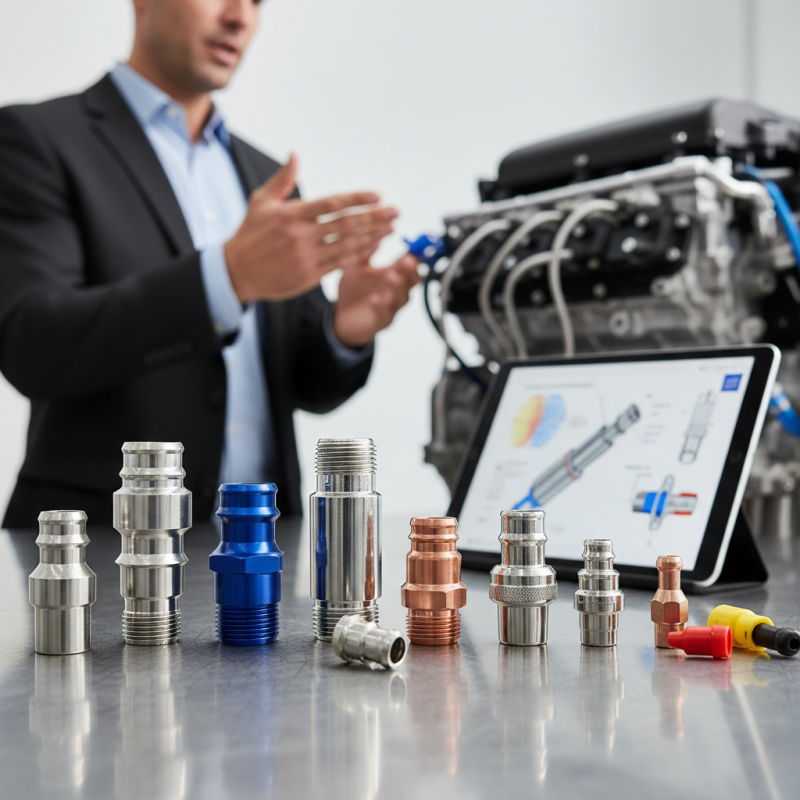
Understanding Auto Fuel Line Fittings: Types and Materials
Understanding auto fuel line fittings is crucial for drivers and car enthusiasts alike. These fittings connect the fuel lines to various engine components. They come in various types, each tailored for specific functions. Common types include push-on fittings, threaded fittings, and quick disconnect fittings. Each type has its unique advantages and disadvantages. For instance, while push-on fittings are easy to use, they may not provide the strongest seal compared to threaded options.
Material choice impacts durability and performance. Common materials include rubber, nylon, and metal. Rubber is flexible and often used for low-pressure applications. Nylon, on the other hand, is lightweight and resistant to corrosion. Metal fittings, usually made from brass or aluminum, are favored in high-pressure systems. The right material ensures that the fitting can withstand the conditions it faces.
While selecting fittings, be aware of compatibility issues. A fitting that works well in one application may fail in another. Ensure it aligns with your vehicle’s requirements. It's essential to consider environmental factors as well. Temperature and exposure to fuels can degrade materials over time. Regular inspections can help identify potential failures before they occur.
Key Factors to Consider When Choosing Fuel Line Fittings
When selecting fuel line fittings, several essential factors come into play. Understanding your system requirements is crucial. Consider compatibility with different fuel types. Not all fittings work well with gasoline, diesel, or ethanol. Each fuel has unique characteristics that impact the material choice for fittings.
**Tip:** Always check fuel compatibility before making a purchase.
Durability is another key consideration. Look for materials that resist corrosion and wear. Stainless steel and reinforced plastics are popular choices. They offer the needed strength for high-pressure environments, extending the lifespan of your fuel lines.
**Tip:** Evaluate the environmental conditions where the fittings will be used.
Lastly, pay attention to the fitting design. Different applications may require specialized connections. Standard fittings might not provide the best seal. This can lead to leaks or performance issues.
**Tip:** Consult with a professional if you're unsure about the right design.
In the end, ensuring a proper fit is vital for system efficiency and safety. Take the time to choose wisely; it can save you headaches down the line.
Installation Guidelines for Auto Fuel Line Fittings
When installing auto fuel line fittings, preparation is key. Start by ensuring that all tools and components are ready. According to recent industry studies, improper installation can lead to fuel leaks, which account for roughly 20% of fuel waste in vehicles. Checking compatibility between the fitting and the fuel line is crucial. Use fittings that match the size and material of your existing fuel lines to avoid potential issues.
Next, focus on the installation process. Clean the fuel line ends thoroughly to prevent contamination. A study from the Automotive Research Institute revealed that contaminants can reduce the efficiency of fuel systems by up to 15%. Use a torque wrench to ensure that fittings are secure but do not overtighten, as this could damage the components. Pay close attention to the manufacturer's guidelines during installation. Yet, many users neglect this step, resulting in costly repairs later.
Finally, after installation, inspect for leaks. Run the engine to check for any unusual noises and look closely at the fittings. Timely detection of issues can save money and improve vehicle performance. Regular maintenance is essential, as fuel lines can degrade over time due to environmental factors. One report indicated that preventative checks could extend the lifespan of fuel systems significantly. Neglecting these steps often leads to unexpected challenges.
Ultimate Guide to Auto Fuel Line Fittings for Global Buyers
| Fitting Type | Material | Size (inches) | Working Pressure (psi) | Temperature Range (°F) | Applications |
| Barbed Fitting | Plastic | 1/4 | 100 | -40 to 150 | Fuel Lines, HVAC |
| Compression Fitting | Brass | 3/8 | 150 | -40 to 200 | Automotive, Plumbing |
| Push-On Fitting | Aluminum | 1/2 | 200 | -20 to 180 | Racing, High-Performance |
| Strap-On Fitting | Stainless Steel | 5/16 | 250 | -40 to 220 | Fuel Storage, Commercial |
| Flared Fitting | Copper | 1/4 | 300 | -60 to 250 | Hydraulic, Fuel Systems |
Global Standards and Regulations for Fuel Line Fittings
When considering fuel line fittings, global standards and regulations play a crucial role. Compliance ensures safety and reliability in various applications. Different regions have specific requirements for the materials and design of fuel lines. For instance, in Europe, fittings must often meet stringent environmental standards. This means they should withstand certain pressures and temperatures without degrading.
Manufacturers must navigate a complex regulatory landscape. Each market has its unique elements. Failure to comply can lead to costly recalls and safety issues. Moreover, these regulations are not static; they evolve over time. It’s essential for industry players to stay updated on changes. This can be challenging but is vital to maintain a competitive edge.
While these standards provide a framework, they can also create obstacles. Smaller manufacturers might struggle to meet high compliance costs. Many companies face difficulties in understanding the intricate details of regulations. Thus, continuous education and cooperation with industry experts are key. Relying solely on existing knowledge can lead to stagnation. Innovation often requires adapting to these evolving standards.
Maintenance Tips for Ensuring Fuel Line Fitting Longevity
Fuel line fittings are essential for vehicle performance and safety. To ensure their longevity, proactive maintenance is crucial. Regular inspections help catch wear and tear early. Look for cracks, corrosion, or loose fittings during your checks. These early signs can prevent more significant issues down the line.
Cleaning is another key aspect of maintenance. Dirt and debris can accumulate over time. Cleaning the fittings ensures a proper seal and reduces the risk of leaks. Use appropriate cleaning solutions that won't damage the materials. It's also vital to replace seals and gaskets periodically, even if they seem fine. Over time, they can degrade and lead to leaks.
Lastly, the installation process should not be overlooked. Proper fitting installation can save time and costs later. Follow the manufacturer's recommendations, but trust your instincts if something feels off. A careful approach can prevent unnecessary repairs and enhance the lifespan of your fuel line fittings. Remember, prevention is better than cure.
