How to Optimize Fuel Injection System in Aircraft for Performance?
The optimization of the fuel injection system in aircraft is crucial for enhancing performance. A well-tuned fuel injection system aircraft can significantly improve engine efficiency and reduce fuel consumption. This optimization process involves various techniques. Understanding the system is essential for pilots and engineers alike.
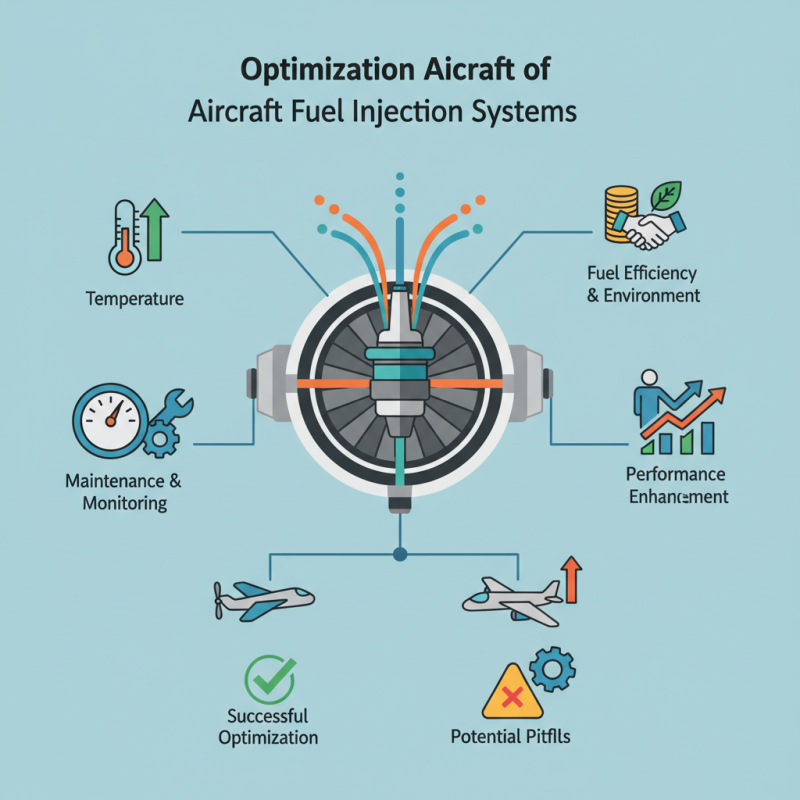
Aircraft fuel injection systems operate under unique conditions. Temperature and altitude can affect performance. Regular maintenance and monitoring are vital. Small adjustments may lead to noticeable improvements. However, not every method fits all aircraft models. This complexity demands thoughtful evaluation and testing.
Fuel efficiency not only saves money but also reduces environmental impact. Pilots and technicians should collaborate to identify areas for enhancement. While striving for optimal performance, we must remain cautious about potential pitfalls. Continuous learning from past experiences shapes better practices for the future.
Understanding the Fundamentals of Aircraft Fuel Injection Systems
Aircraft fuel injection systems play a crucial role in engine performance. Understanding their fundamentals is key to optimizing their function. These systems precisely control fuel delivery to the engine, ensuring efficient combustion. This is vital for maximizing thrust and minimizing fuel consumption.
In essence, the fuel injection system consists of fuel pumps, injectors, and control units. Each component must work seamlessly to ensure peak efficiency. An inefficient injector can lead to uneven fuel distribution, affecting engine performance. Regular maintenance is essential. Observing engine behavior can reveal if adjustments are needed.
Challenges arise from varying altitudes and temperatures that can affect injection rates. Pilots must be aware of how these conditions influence fuel efficiency. Monitoring fuel flow and pressure can reflect system health. Understanding these nuances can help aviation professionals achieve optimal performance in the skies.
How to Optimize Fuel Injection System in Aircraft for Performance?
| Parameter |
Typical Value |
Impact on Performance |
| Fuel Flow Rate |
150-500 lb/hr |
Affects throttle response and engine power |
| Injector Pressure |
30-100 psi |
Influences atomization and combustion efficiency |
| Fuel Type |
Avgas, Jet A |
Determines energy content and combustion characteristics |
| Injector Size |
0.5 - 2.0 inch |
Affects fuel distribution and engine performance |
| Control System |
FADEC |
Enhances precision in fuel delivery |
| Maintenance Interval |
Every 500 hours |
Critical for reliability and performance consistency |
Identifying Key Performance Metrics for Fuel Injection Optimization
Optimizing fuel injection systems in aircraft is vital for enhancing performance. To achieve this, it’s essential to focus on key performance metrics. These metrics help gauge efficiency and effectiveness in real operational conditions. Fuel flow rate, injector pressure, and air-fuel ratio are primary aspects to monitor closely.
The fuel flow rate directly impacts engine power output. If the flow is too high or low, performance issues may arise. Injector pressure should ideally match the engine specifications. Variability could cause fluctuating performance, necessitating a need for recalibration. Air-fuel ratio is critical, too. An imbalanced ratio can lead to incomplete combustion, resulting in wasted fuel and increased emissions. Regular monitoring allows for timely adjustments and improvements.
Understanding these metrics requires experience and diligent analysis. Aircraft engineers should routinely evaluate system performance under varied conditions. This includes different altitudes and speeds. Challenges often emerge in maintaining consistency. Fluctuating temperatures can affect fuel density and, in turn, injection performance. Continuous feedback loops and data-driven decision-making are key to refining the system effectively. Embracing this iterative process can significantly enhance overall aircraft efficiency.
Fuel Injection System Performance Optimization
This chart illustrates the relationship between the fuel injection timing (in milliseconds) and the engine performance metrics, including thrust output (in pounds) and fuel efficiency (in miles per gallon). The goal is to identify key performance metrics for optimizing the fuel injection system in aircraft.
Techniques for Enhancing Fuel Atomization and Distribution
Optimizing the fuel injection system in aircraft is crucial for enhancing performance. A major focus should be on improving fuel atomization and distribution. Effective atomization helps ensure that fuel mixes evenly with air, leading to better combustion. This can enhance engine efficiency and reduce emissions.
One important technique is to adjust the injector nozzle design. Nozzles with finer holes can create smaller fuel droplets. This increases surface area, allowing for faster and more efficient combustion. However, too fine a nozzle can lead to clogging, so balance is critical.
Another method is using advanced control systems. These systems can adjust fuel flow based on altitude and power requirements. Accurate fuel management leads to optimal air-fuel ratios, improving overall performance.
Tips: Pay attention to injector cleaning. Regular maintenance can help prevent blockages. Consider the fuel quality too. Contaminated fuel can disrupt atomization and affect efficiency. Exploring these aspects can provide insights into enhancing your fuel injection system for better aircraft performance.
Adjusting Fuel Injection Timing for Improved Engine Efficiency
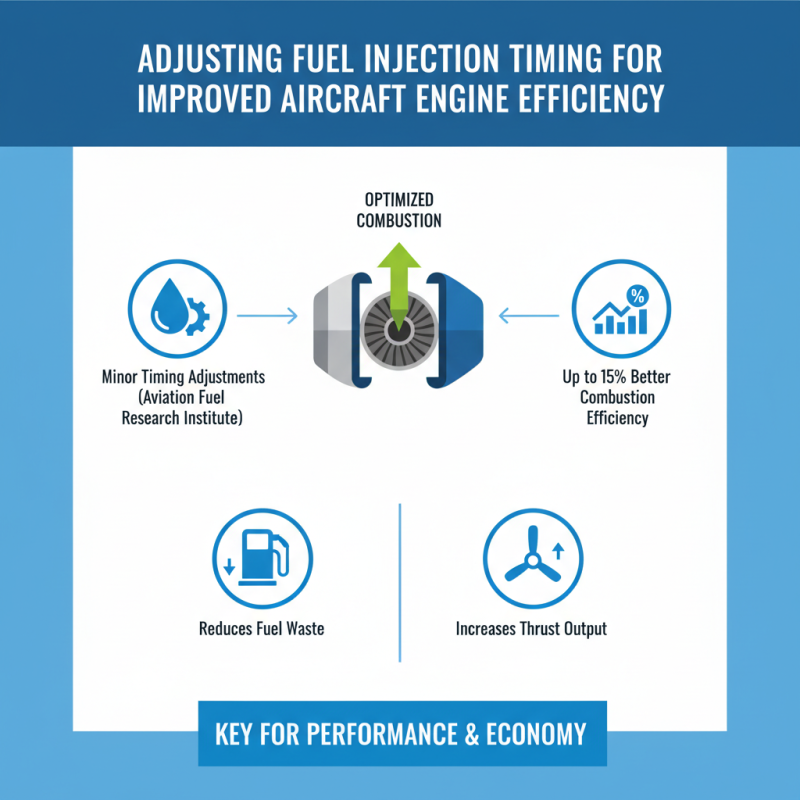
Optimizing fuel injection timing is crucial for enhancing aircraft engine efficiency. According to the Aviation Fuel Research Institute, minor adjustments in timing can improve combustion efficiency by up to 15%. This optimization minimizes fuel waste and improves thrust output, making it vital for both performance and economy.
Incorporating advanced timing algorithms in fuel injection systems can further boost performance. Studies show that using real-time data to adjust fuel delivery can enhance engine response. For instance, precise timing can optimize the air-fuel mixture, which is essential during critical phases of flight, such as takeoff and climb. Even a fraction of a degree off in timing can lead to decreased efficiency and increased emissions.
It's important to acknowledge that tuning fuel injection timing is not without its challenges. Engineers must consider variables such as altitude, temperature, and engine load. The interaction between these factors can sometimes lead to counterproductive outcomes. Thus, continuous monitoring and iterative adjustments are necessary. The journey toward achieving optimal fuel injection timing requires vigilance and a willingness to adapt strategies based on real-world performance data.
Maintaining and Troubleshooting Fuel Injection Systems for Optimal Performance
Maintaining a fuel injection system in aircraft requires a systematic approach to ensure optimal performance. Regular inspections are fundamental. Start by checking fuel filters for debris. Blocked filters can impair fuel flow, leading to potential engine issues. Monitor the fuel pressure closely. Inconsistent pressure can indicate a faulty pump or other problems in the system.
Troubleshooting is essential when performance dips. Pay attention to engine vibrations and irregular idling. These can signify injector malfunctions. Cleaning or replacing fuel injectors can restore proper function. Also, examine the electrical connections; corrosion occurs frequently. Trustworthy data from flight logs can highlight ongoing issues.
Pilot reports reveal that underperformance often results from neglect. Regular maintenance should include thorough diagnostics. Ensure that all components reflect the latest updates and best practices. Finding time for routine checks can be challenging, yet it pays off in terms of reliability and safety. Being proactive helps prevent costly repairs and enhances overall performance.