Buying consolidated fuel across borders can reduce procurement costs, simplify deliveries, and strengthen supply planning. Yet the process is not automatically efficient. A lower quoted price may hide unsuitable specifications, storage limitations, weak documentation, or costly delays at the destination port.
Energy-market authority Daniel Yergin has often observed, “Energy is the lifeblood of the world economy.” That idea matters when purchasing consolidated fuel. Fuel quality affects engines, safety procedures, operating budgets, and long-term customer trust. Buyers should examine product specifications, origin records, inspection methods, supplier capacity, shipping terms, payment safeguards, and destination requirements. Small details matter. A missing certificate can stop a shipment.
The seven tips in this guide focus on practical decisions rather than impressive promises. They encourage buyers to compare total landed costs, verify suppliers independently, and match fuel grades with actual equipment needs. They also highlight contract clarity, responsible logistics, and contingency planning. International transactions require careful compliance with applicable trade, environmental, customs, and safety rules. No shortcut replaces due diligence.
There is room for reflection, too. Consolidation can create buying power, but it may also concentrate risk in one supplier or route. I have seen many purchasing plans look efficient on paper, then weaken under weather delays or unclear specifications. The best strategy is not always the cheapest one. It is the one that remains reliable when conditions change.
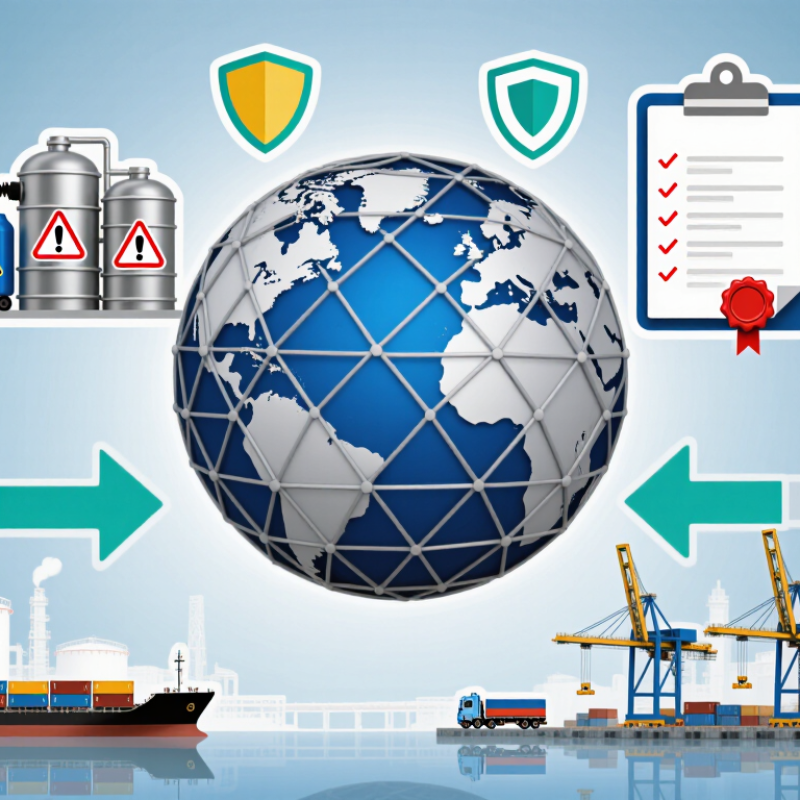
Consolidated fuel means combining demand from multiple sites, vessels, or regional operations into one coordinated purchasing plan. It can improve volume visibility, reduce duplicated freight, and strengthen negotiation power. However, fuel is not interchangeable everywhere. The International Energy Agency’s Oil 2024 report estimates global oil demand at about 103 million barrels per day in 2024. That scale hides local differences in sulfur limits, fuel grades, storage capacity, taxes, and delivery infrastructure. A global buyer must define these requirements before requesting prices.
Tip 1: Build a location-based fuel schedule. Record monthly volume, required specification, delivery window, tank capacity, and approved testing method. The International Maritime Organization’s 2023 strategy targets net-zero greenhouse-gas emissions from shipping by around 2050. This makes fuel quality and emissions data more important. Ask suppliers for certificates, laboratory results, origin details, and chain-of-custody records. Do not rely on a single spreadsheet.
Tip 2: Compare the complete delivered cost. Include product price, transport, insurance, duties, terminal fees, currency exposure, and emergency supply charges. The U.S. Energy Information Administration reports that crude oil prices remain sensitive to production changes, inventories, and geopolitical disruptions. Use a transparent index formula with review dates. My first spreadsheet usually looks precise. It is not.
Tip 3: Test the plan with a delayed shipment, a specification mismatch, and a sudden 20% price increase. Keep alternative delivery routes, realistic safety stock, and written quality claims in the contract.
7 Tips for Buying Consolidated Fuel Globally?
Verify Suppliers, Fuel Quality, and International Compliance
Buying consolidated fuel requires more than comparing prices. A supplier should provide a registered business address, traceable ownership, and verifiable trade references. Request recent product specifications, safety data sheets, certificates of analysis, and loading records. Check whether the documents match the stated refinery, storage site, and shipment route.
Fuel quality must be tested before large-scale delivery. Ask for an independent laboratory report covering density, sulfur content, flash point, water, sediment, and contamination. Keep sealed samples from loading and discharge. A clear sample can still hide problems. I have seen procurement teams trust polished paperwork too quickly. That mistake can create costly delays.
International compliance needs careful review. Confirm import permits, customs classifications, transport rules, insurance terms, and applicable trade controls in every involved country. The contract should define inspection rights, quality tolerances, delivery points, payment triggers, and remedies for nonconforming fuel. Confirm the supplier’s bank details through an independent channel. Email changes deserve suspicion. Consolidated cargo also needs accurate volume allocation and separate documentation for each buyer. Small errors in tank numbers or certificates may stop a shipment at the border. Country rules can change, so obtain current advice from qualified customs and legal professionals before signing.
Buying consolidated fuel globally requires more than comparing the quoted price per metric ton. A lower offer may exclude terminal fees, inspection charges, insurance, or inland delivery. Request a line-by-line quotation with volume, grade, delivery location, and validity period clearly stated. Small wording differences can change the final cost.
Shipping terms deserve close attention. Under one agreement, the seller may deliver cargo to your port, while you handle unloading and customs. Another offer may include freight but exclude demurrage after a short waiting period. Ask who pays for port storage, documentation, inspection, and delays caused by congestion. Read every clause carefully.
Taxes can distort a promising deal. Check import duties, value-added tax, environmental charges, and local handling fees with a qualified customs adviser. Calculate the landed cost using one shared currency and one delivery basis. Include financing costs and possible exchange-rate movement. A spreadsheet helps, but it is not perfect. I have seen buyers overlook a modest tax and lose the expected saving. Leave room for uncertainty. Keep written records of approvals, test results, and payment conditions. Reliable suppliers should explain assumptions clearly and accept reasonable verification before shipment.
| Tip | Cost Dimension to Check | Verified Practical Data | How It Affects the Purchase Cost | Recommended Buyer Action |
|---|---|---|---|---|
| 1 | Compare the same fuel specification | Diesel and marine fuels can differ by sulfur content, density, viscosity, cold-flow properties, and testing standard. A common density range for middle-distillate diesel is approximately 0.80–0.85 kg/L at 15°C. | A price quoted per metric ton cannot be compared directly with a price quoted per liter unless density and temperature are considered. At 0.80–0.85 kg/L, one metric ton is approximately 1,176–1,250 liters. | Request the product specification, sulfur limit, density reference temperature, test method, and certificate of quality before comparing offers. |
| 2 | Normalize the pricing unit and quotation date | Fuel may be quoted per metric ton, barrel, cubic meter, liter, or U.S. gallon. One petroleum barrel is conventionally 42 U.S. gallons, while one U.S. gallon equals approximately 3.785 liters. | Currency movements, benchmark changes, and unit conversions can make two apparently similar quotations materially different. A quote should also identify whether the price is fixed or linked to a published market index. | Convert every offer to the same currency, unit, density basis, measurement temperature, and quotation date. Record the pricing formula, adjustment period, and validity window. |
| 3 | Compare shipping terms correctly | Under FOB, the buyer generally arranges the main carriage after loading. Under CFR and CIF, the seller arranges and pays for main carriage, while CIF also includes seller-arranged insurance. Under DAP, the seller delivers to the named destination, but import clearance and import taxes are generally handled by the buyer. | A lower FOB price may become more expensive after freight, insurance, port charges, storage, and inland delivery are added. Incoterms do not determine ownership, payment terms, product quality, or import taxes. | Compare offers on the same Incoterms rule, named place, shipment window, transfer point, and risk-transfer point. |
| 4 | Calculate freight and consolidation costs | Consolidated shipments can include ocean freight, terminal handling, documentation, inspection, storage, demurrage, port security charges, and inland transport. Demurrage is commonly charged when cargo or equipment remains beyond the agreed free time. | Small or irregular parcels may have a higher logistics cost per metric ton than full-vessel or full-container movements. Delays can create additional storage and vessel or terminal charges. | Obtain a written landed-freight schedule showing the freight rate, minimum charge, free-time allowance, demurrage rate, port fees, and delivery point. |
| 5 | Separate taxes, duties, and recoverable VAT or GST | Import duty is commonly calculated as: customs value × duty rate. Import VAT or GST is often calculated on a tax base that may include customs value, duty, freight, insurance, and other taxable charges, depending on local law. | Excise taxes, carbon levies, environmental charges, customs duties, VAT, and GST can materially change the final cash outlay. Recoverable VAT or GST may be a cash-flow cost rather than a permanent cost for an eligible registered business. | Ask a licensed customs or tax adviser to confirm tariff classification, duty rate, excise treatment, tax base, exemptions, and recovery eligibility in the destination market. |
| 6 | Include financing, payment, and compliance costs | Letters of credit, advance payments, documentary collection, and open-account terms have different bank fees, security requirements, and working-capital effects. Fuel transactions may also require sanctions screening, origin documents, safety data, quality certificates, and environmental compliance records. | A nominally cheaper supplier can produce a higher total cost if payment security, currency conversion, inspection, compliance review, or financing charges are significant. | Add bank charges, financing days, foreign-exchange costs, inspection fees, document fees, and compliance review costs to the comparison model. |
| 7 | Use a total landed cost per usable unit | A practical calculation is: Total landed cost = product price + freight + insurance + port and handling charges + inland delivery + duties + non-recoverable taxes + financing and compliance costs. | The lowest quoted product price is not necessarily the lowest cost after transport, taxes, losses, quality adjustments, and delivery expenses are included. | Compare the final result per metric ton, liter, or usable energy unit, and include an allowance for quantity variance, quality claims, delays, and exchange-rate changes. |
Buying consolidated fuel globally requires more than comparing quoted prices. Storage conditions can quietly erase expected savings.
Before signing, confirm tank capacity, cleaning records, vapor controls, and product compatibility. Ask for recent inspection reports, not verbal assurances.
A warm coastal depot may need different controls than an inland winter terminal. Keep records.
Measure delivered volume against calibrated meters, temperature, and density. Small discrepancies become expensive across several shipments.
Transportation risk begins when custody changes. Review loading procedures, route security, weather exposure, transfer points, and emergency contacts.
Use clear delivery terms that identify who pays, who insures, and who accepts loss.
A single truck delay can disrupt a plant’s production schedule. Build realistic buffer time. Fast delivery is not always reliable delivery.
Fuel quality can change through contamination, water ingress, or unsuitable containers.
Independent sampling at loading and arrival provides stronger evidence than paperwork alone. Testing costs money, but disputes cost more.
Insurance deserves separate attention. Confirm whether the policy covers storage, inland movement, marine transit, pollution response, and delayed delivery.
Check deductibles, exclusions, geographic limits, and claims deadlines. Do not assume the seller’s coverage protects the buyer.
In one imperfect planning exercise, the price was negotiated carefully, but warehouse risk was barely discussed. That gap would have mattered after a leak or missed vessel connection.
Use traceable counterparties, approved documentation, and compliance checks for every jurisdiction involved.
Reassess routes and storage plans when seasons, volumes, or delivery points change.
Buying consolidated fuel across borders requires more than comparing quoted prices. Clear contracts, planned inspections, and consistent supplier reviews protect both cost and supply continuity.
Tip 1: Negotiate a contract covering fuel grade, volume tolerance, delivery windows, payment terms, and dispute procedures. Define currency, taxes, insurance, and transfer points clearly. Use independent quality certificates and agreed testing methods. Small gaps become expensive.
Tip 2: Plan inspections before loading, not after problems appear. A qualified inspector can check tank cleanliness, seals, sampling procedures, documents, and meter readings at the terminal. Request representative samples and preserve sealed samples for later comparison. Inspection timing matters. I once underestimated delays caused by port access rules. The schedule looked sound on paper. That mistake deserves review.
Tip 3: Monitor supplier performance with measurable records. Track delivery accuracy, quantity variance, test results, response time, and repeated paperwork errors. Review performance after every shipment, rather than waiting for annual renewals. Set corrective-action deadlines and escalation contacts in the contract. Do not reward cheap promises. A balanced scorecard can reveal a supplier that delivers reliably but struggles with quality consistency. Maintain current regulatory checks with qualified local advisors, because requirements and documentation practices can differ between markets.